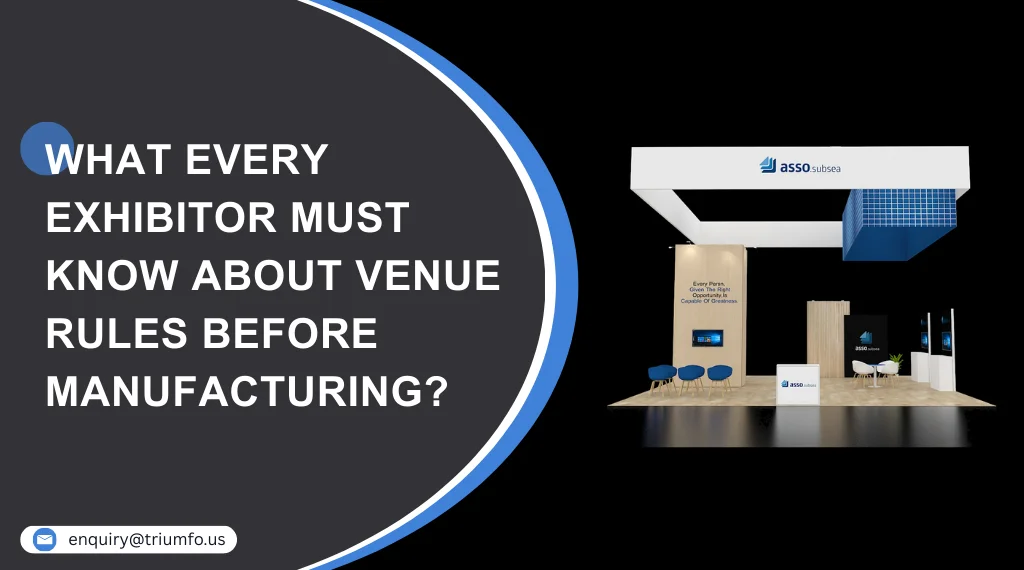
In the US exhibition industry, great booth design isn't about creativity; it’s about compliance. Some of the most costly and stressful exhibition issues don’t come from poor design; they come from ignoring venue rules and regulations.
As a trade show exhibit booth manufacturing company working across all the major US convention centers, we have crucial advice for you: educating clients on venue regulations before manufacturing begins is not optional; it’s essential. In this blog, we will explain why understanding venue compliance is important, what these rules entail, and how knowing them in advance can save you time and effort.
Every U.S. convention center operates under strict regulations set by venue authorities, fire marshals, labor unions, electrical and safety departments, and event organizers. Once a booth enters fabrication, any non-compliance can lead to:
From a manufacturer's perspective, as soon as the rules are addressed, the smoother your exhibiting process will become.
Ignoring these height rules can cost you by requiring on-site cutting of the structure, which is expensive and damaging to brand aesthetics.
Fire marshals in the U.S. are uncompromising. There are key requirements that cannot be ignored, including flame-retardant certification for fabrics and wood, approved fire-resistant materials, open ceiling designs for fire suppression systems, and no enclosed spaces without proper clearance. Clients often want enclosed meeting rooms or ceilings, without realizing these require special permits or sprinkler considerations.
Electrical work in US venues must comply with the National Electrical Code. Only venue-approved electricians should be used, and there is a load limit per booth. These regulations affect power distribution planning, LED wall placement, lighting density, and the design and manufacturing of hidden wiring routes for trade show booth ideas. If you design first and check electrical feasibility later, you may end up redesigning and losing functionality.
Many exhibitors believe that hanging signs is standard, but in US venues, it is a premium feature that requires advance approval. Any suspended elements are strongly regulated by the US venues. You will need to consider the following things:
One of the biggest surprises for first-time and international exhibitors in the US is that, in many U.S. cities, union labor controls installation and dismantling, and exhibitors cannot self-install certain elements; electrical, rigging, and sometimes even carpentry must be handled by union labor. Manufacturing must account for:
ADA is a legally mandatory act in the US. The booth owner should consider the requirements of people with disabilities, including ramp access to raised platforms, minimum aisle widths, counter heights for wheelchair users, and accessible meeting areas. The ADA consideration should be integrated into the manufacturing process and not as an afterthought.
To be successful in the US exhibition market, you need to prepare before the exhibition date. Complying with these regulations can help you avoid any last-minute delays, expenses, overtime labor charges, and missed show openings. As an exhibition stand manufacturing company, we are well-versed in these regulations, and our booths are manufactured in compliance with them. We provide an end-to-end solution from manufacturing to installation, with a local team of experts who will handle every stage of your booth manufacturing. Whether you want a 10x20 trade show booth or an island booth, we will prepare it. So call us now and get your customized quote.
We offer end-to-end trade show booth solutions tailored to your brand and goals. From fully custom exhibit designs and flexible rental booths to complete turnkey services, we handle everything.
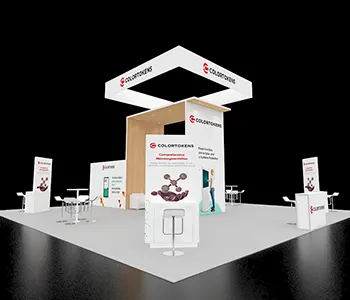
Explore 40x40 Trade Show Booth Designs
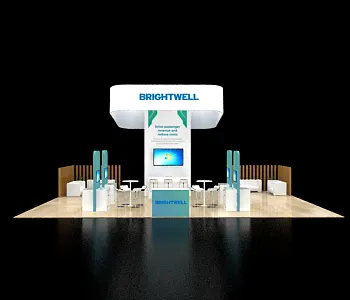
Explore 30x40 Trade Show Booth Designs
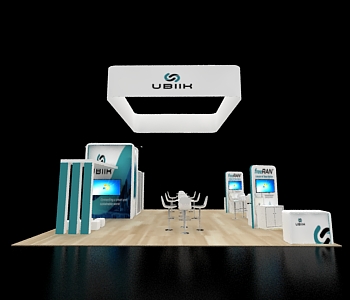
Explore 30x30 Trade Show Booth Designs
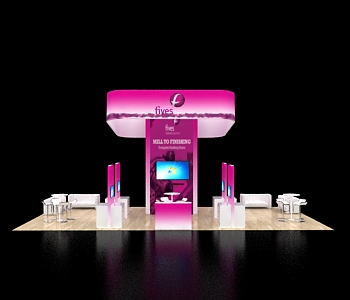
Explore 20x40 Trade Show Booth Designs
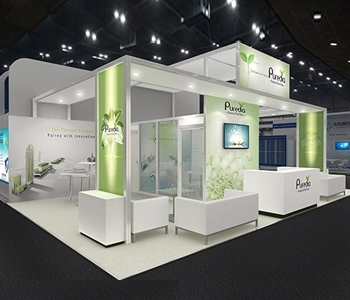
Explore 20x30 Trade Show Booth Designs
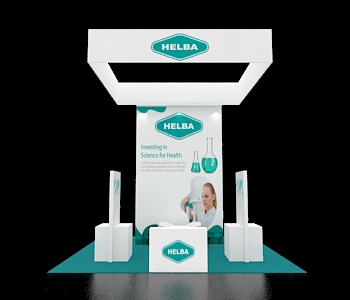
Explore 20x20 Trade Show Booth Designs
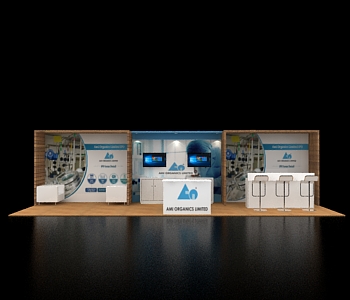
Explore 10x30 Trade Show Booth Designs
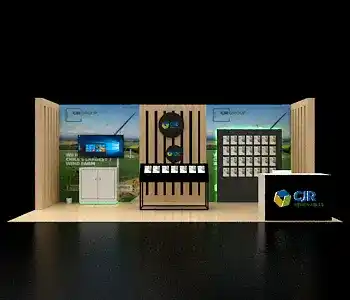
Explore 10x20 Trade Show Booth Designs
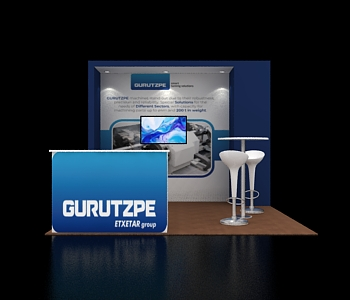
Explore 10x10 Trade Show Displays

 enquiry@triumfo.us