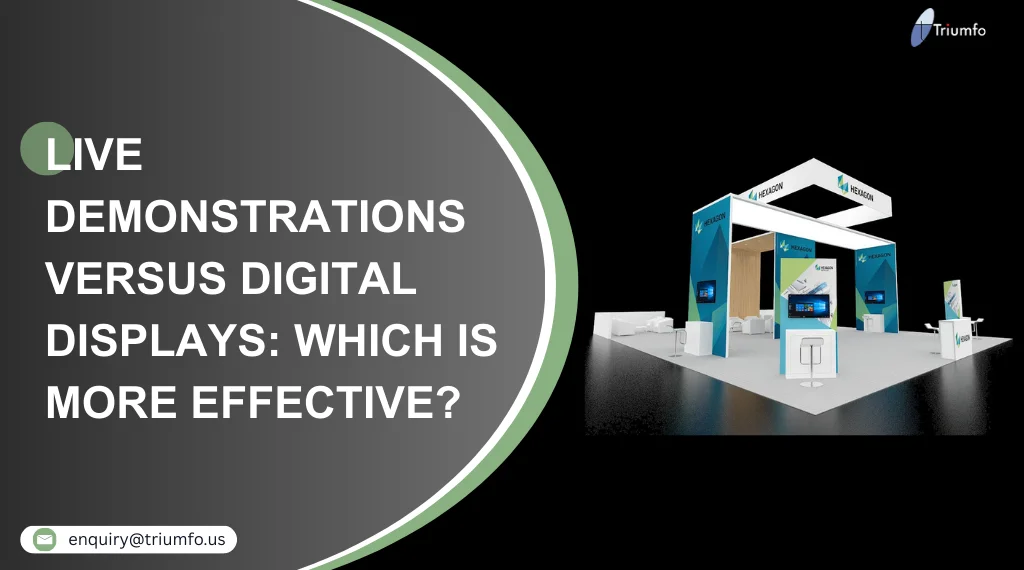
Exhibitors at trade shows, conferences, and brand activations across the U.S. often ask whether to use live demonstrations or digital displays in their custom trade show exhibits. With event costs rising and audiences becoming more selective, the right choice can mean the difference between a crowded booth and one that goes unnoticed.
There isn’t one solution that fits every situation. Both live demonstrations and digital displays have their pros and cons. Understanding how each works in real U.S. events can help brands make informed decisions and get more from their investment. In this blog, we will examine these approaches, their pros and cons, and which is the better option. Keep reading to learn more.
Live demonstrations feature real people showing a product or service in real time. This might be a product walkthrough, a hands-on trial, a live performance, or an interactive presentation led by a brand expert. Here are some examples:
Digital displays use technology to share visual content and communicate value without requiring on-site presence. These can include:
Face-to-face interaction works really well for complex or high-value products that need explanation. Live demos help build a human connection, a key driver of trust, at U.S. trade shows, where buyers value authenticity and expertise. Why do live demos work:
Research shows that people remember experiences better than just visuals. Live demos engage several senses, like sight, sound, and sometimes touch, which makes them more memorable. Live demos work best for:
Live demonstrations help filter the audience. People who stop, watch, and take part are usually more interested in buying. This makes live demos especially useful at B2B trade shows, which are common in major U.S. cities like Las Vegas, Chicago, and Orlando. Sales teams can:
Even though live demos have many benefits, they also have some cons that you can face:
Digital displays deliver consistent messaging to every viewer, all day long. This makes digital displays particularly effective for large expos and consumer-facing events. Why digital displays work better:
In crowded exhibition halls, motion graphics and large LED screens cut through visual noise. Digital displays excel at attracting attention from a distance, communicating brand identity quickly, and showcasing multiple use cases in short loops. For U.S. trade show audiences accustomed to high-quality digital experiences, strong visuals are often the first hook.
While upfront costs can be significant, digital displays are reusable and scalable across events. This makes them attractive for brands with robust event calendars. Long-term benefits include:
Digital displays also have some limitations:
|
|
|
|
| Lead quality | Strong | Moderate |
| Brand awareness | Moderate | Strong |
| Complex products | Strong | Limited |
| High booth traffic | Limited | Excellent |
| Budget efficiency | Higher variable cost | Better ROI |
The most effective trade show booth ideas use a hybrid approach where you combine both strategies to get the best results, and here are some reasons why Hybrid booth design is practical:
Here are some examples that can be applied to your 10x30 trade show booth design:
Triumfo Inc. has 25+ years of experience in booth manufacturing across major US cities and shows. We have a manufacturing unit and an in-house team of experts who ensure compliance with trade show regulations and provide you with a custom trade show booth that meets US exhibiting regulations. Here is why we stand out from the rest:
Live demonstrations are great for boosting engagement, building trust, and qualifying leads. Digital displays stand out for their scalability, consistency, and visual impact. Using both together often gives the best return at U.S. trade shows. The right approach depends on your product, audience, and goals. As attention spans shorten and competition grows, it’s not just about choosing live demos or digital displays, but about using both effectively. For U.S. audiences who value efficiency, authenticity, and experience, mixing personal interaction with technology helps create booths that attract visitors and drive real business results.
We offer end-to-end trade show booth solutions tailored to your brand and goals. From fully custom exhibit designs and flexible rental booths to complete turnkey services, we handle everything.
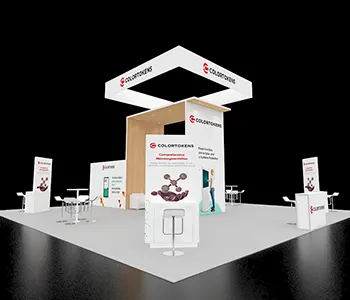
Explore 40x40 Trade Show Booth Designs
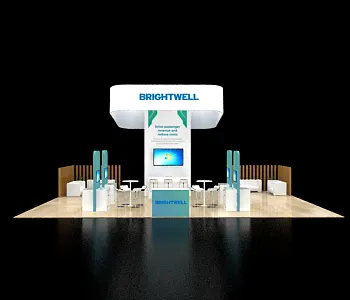
Explore 30x40 Trade Show Booth Designs
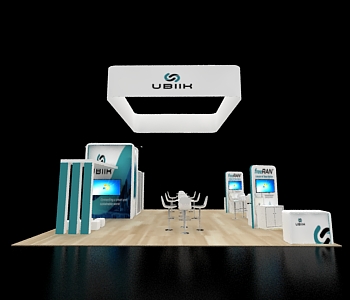
Explore 30x30 Trade Show Booth Designs
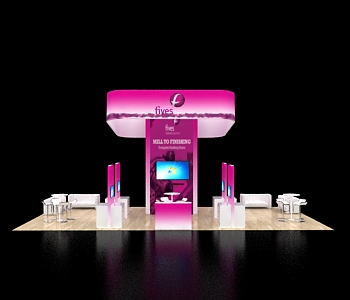
Explore 20x40 Trade Show Booth Designs
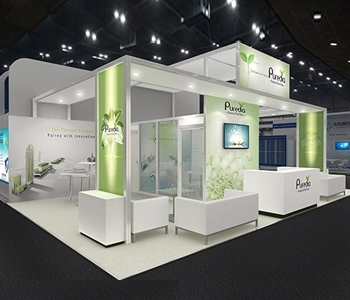
Explore 20x30 Trade Show Booth Designs
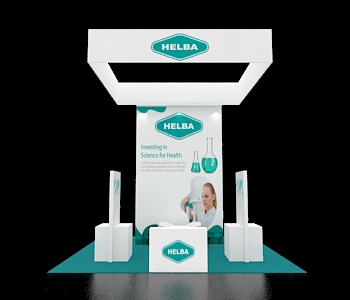
Explore 20x20 Trade Show Booth Designs
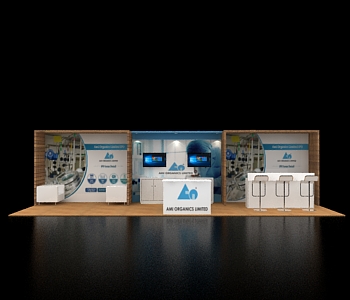
Explore 10x30 Trade Show Booth Designs
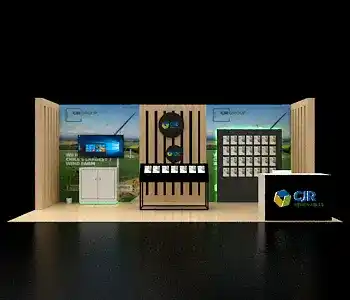
Explore 10x20 Trade Show Booth Designs
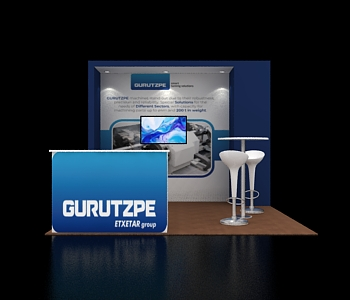
Explore 10x10 Trade Show Displays

 enquiry@triumfo.us