You paid for the floor space. You booked the flights. You've got three days, hundreds of competitors, and one shot to make your brand the one people remember.
The U.S. trade show industry is worth $15.8 billion and it's growing. With over 13,000 trade shows held annually across the country, from the convention halls of Las Vegas and Chicago to the sprawling expo floors of Orlando and New York, the competition for attendee attention has never been more intense. What separates the booths that generate qualified leads from the ones that get walked past? Almost always, it comes down to design.
This guide is built for U.S. exhibitors who are serious about results. Whether you're planning your first booth or redesigning an underperforming one, you'll find practical, proven ideas here, drawn from current industry trends and real-world exhibit strategy.
Before diving into tactics, let's establish the business case.
Companies report an average ROI of $20.98 for every $1 spent on trade shows, and 81% of attendees come with the authority to make purchasing decisions. That's an extraordinary opportunity, but only if you give those decision-makers a reason to stop at your booth.
92% of trade show attendees are actively looking for new products, and 90% haven't met face-to-face with exhibiting companies in the 12 months before the event. Your booth isn't just a display. It is often a first impression with a buyer who is genuinely ready to engage.
The catch? The average cost per lead at a trade show is $112, compared to $259 for a traditional field sales call, but only when your booth is designed to capture those leads efficiently.
Not all trade show booths are created equal, and selecting the right format for your footprint, budget, and objectives is the first strategic decision you'll make.
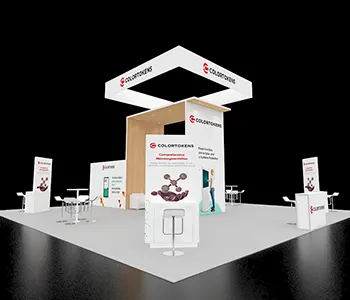
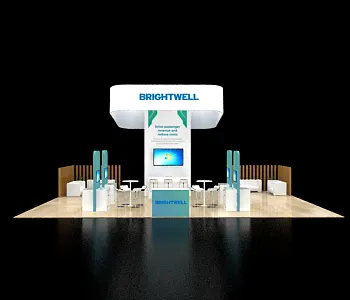
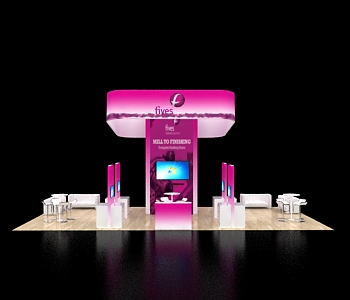
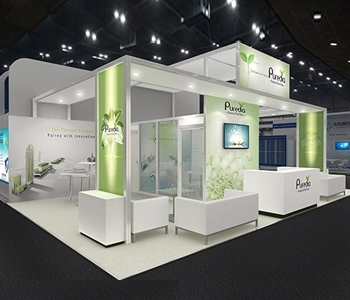
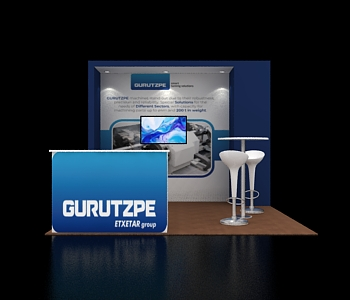
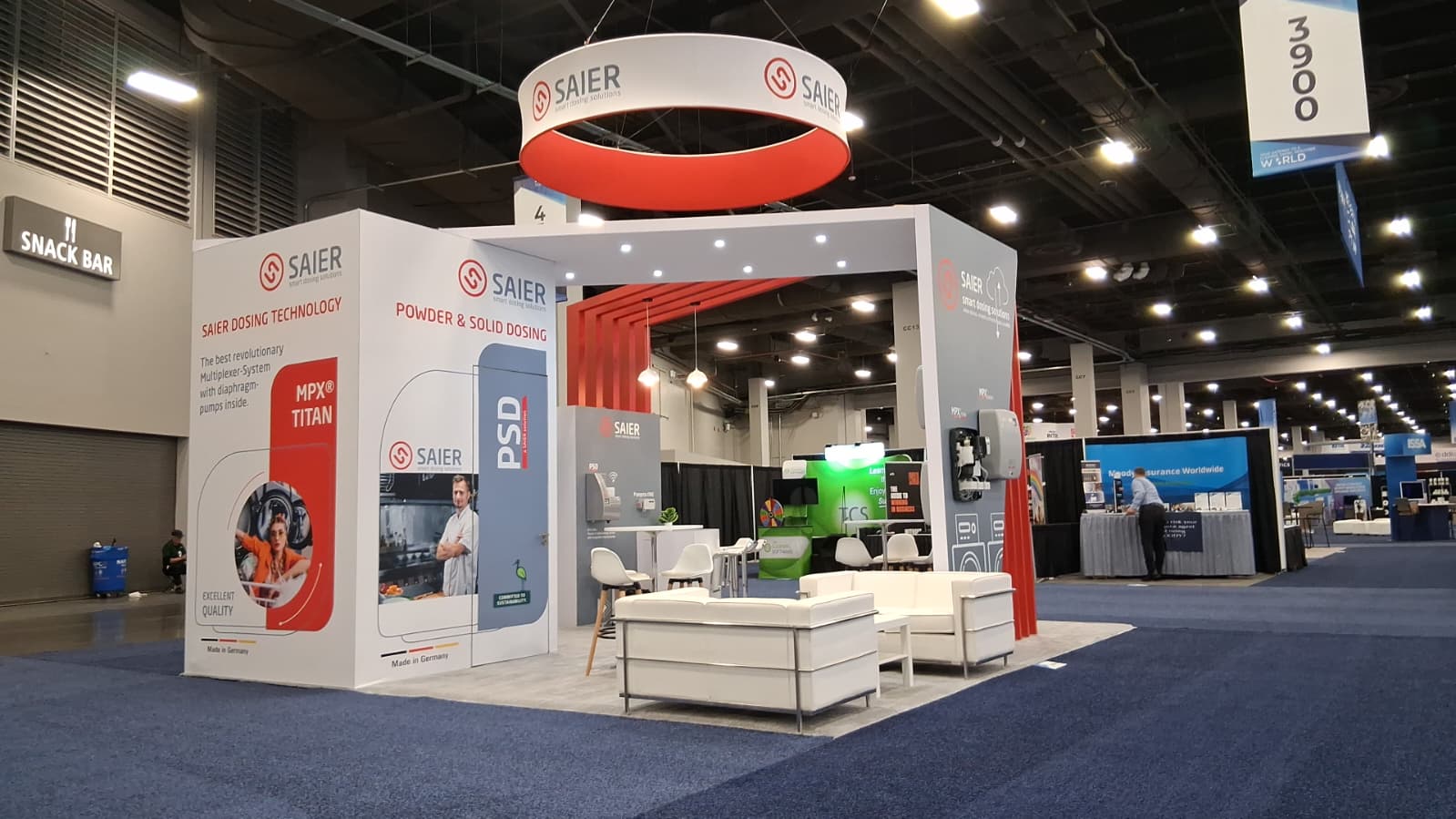
Custom Trade Show Booths
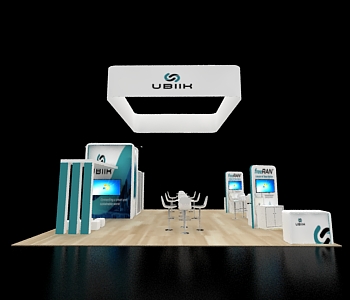
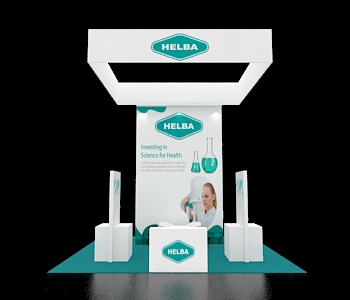
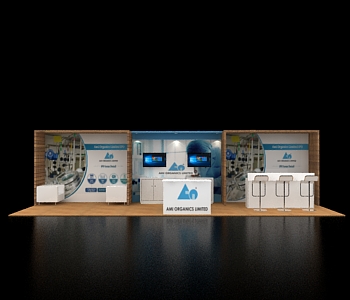
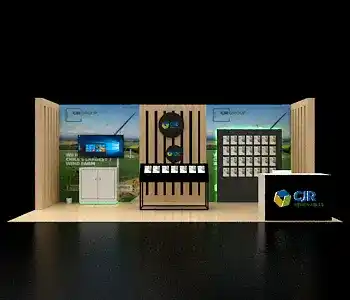
Modular Trade Show Booths
Here's the hard truth. An attendee walking a packed convention floor decides whether to stop at your booth in under five seconds. In that window, your exhibit has to communicate who you are, what you do, and why they should care without a word being spoken.
Open layouts, clear sightlines, and vibrant SEG displays are consistently cited as enhancing the attendee experience and improving booth performance. Think of your booth entrance the way an architect thinks about a building lobby. It exists to pull people in, not to gatekeep them.
The booths that convert best are not just visually attractive. They are spatially intelligent. They guide visitors through a sequence: notice, enter, engage, convert.
Static booths are forgettable. Interactive ones are not.
According to Freeman, exhibitors are increasingly embracing immersive booth experiences, with a 50% rise in the use of eco-friendly materials in booth designs alongside a broader shift toward experiential activations.
The most effective U.S. exhibitors in 2026 are not just showing their products. They are staging experiences around them.
High-ROI experiential ideas:
Trade shows heading into 2026 are embracing bolder storytelling, smarter technology, and deeper attendee insight, with brands building engagement that fuses hands-on, digital, and experiential elements to build brand loyalty.
Technology earns its place in your booth when it helps visitors do something, not just when it looks impressive.
In 2026, digital experiences are no longer optional. They are expected. Booths are transforming into mini-theaters.
Here is how to deploy tech where it genuinely drives results:
LED Video Walls and Kinetic Displays
Large-format LED displays are the dominant back wall solution at major U.S. shows in 2026. The next generation of LED displays delivers movement and show-stopping engagement, bringing new dimensions to trade show storytelling. This technique was first seen at scale at CES 2025.
AR and VR Product Demonstrations
Ideal for products that are too large to bring to a show floor, or experiences that need to be visualized. AR and VR allow visitors to interact with your full product catalog or see installations in simulated environments.
QR Codes Linked to Digital Follow-Up Sequences
Every piece of printed collateral you hand out often gets left behind. A QR code linking to a digital catalog, demo video, or automated email sequence captures intent and starts the follow-up process before the show ends.
Digital Lead Capture
Replace business card bowls with tablet-based lead capture tools that log conversation notes, interest areas, and follow-up priority in real time. Over 70% of trade show planners now utilize data analytics to measure success, and leveraging event-based analytics is no longer optional. It is essential.
Sustainability has moved from optional to expected, and it is now a brand signal that resonates with attendees, especially younger buyer demographics.
54% of organizations are now integrating sustainability into their event strategies, and eco-friendly materials in booth design have seen a 50% rise in adoption.
Sustainable design choices also reduce your total cost of exhibiting over time. This is a particularly valuable benefit given that 75% of exhibitors face pressure to reduce exhibit costs.
We offer end-to-end trade show booth solutions tailored to your brand and goals. From fully custom exhibit designs and flexible rental booths to complete turnkey services, we handle everything.

 enquiry@triumfo.us